Introduction
When it concerns paving installment, specifically in a special environment like that of the Bay Area, seasonal considerations play a crucial duty. Not just do these variables affect the high quality and long life of your interlocking paver installment, however they also impact scheduling and project costs. With its Mediterranean climate, defined by damp winters and completely dry summer seasons, recognizing just how seasonal modifications influence paving projects is important for both homeowners and paver installers alike.
This article will certainly look into different facets of paving installation worrying the Bay Location's seasons, ensuring you have all the information needed to make enlightened decisions concerning your outdoor rooms. From choosing the appropriate products to choosing the most effective time for setup, we'll cover every little thing you need to learn about paving in this unique climate.
Seasonal Considerations for Paving Installation in the Bay Location Climate
Understanding the Bay Area Climate
The initial step in navigating seasonal considerations for leading installment is understanding what makes the Bay Area's environment special. This region normally experiences mild, damp winters months and cozy, dry summertimes. The temperature level hardly ever goes down below freezing but can get to into the high 80s during summer months.
Winter Weather condition Implications
During winter months (December to February), the area obtains a lot of its annual rainfall. Rainfall can lead to ground saturation, which might complicate paving projects otherwise correctly accounted for.
Effects on Ground Conditions
Wet ground conditions can cause uneven settling or shifting of pavers if set up improperly. It's crucial for paver installers to evaluate soil wetness levels prior to beginning work.
Summer Dry skin and Warmth Effects
In contrast, summers (June to August) are usually dry with lots of sunshine. While these problems are favorable for leading installation from a drying out viewpoint, extreme heat can trigger products like asphalt or concrete to establish too quickly.
Choosing Interlocking Pavers: A Seasonal Perspective
When choose interlacing pavers for your installation project, consider their compatibility with neighborhood weather condition patterns throughout different seasons.
Material Option Based upon Seasonality
Certain materials perform better under details climatic conditions:
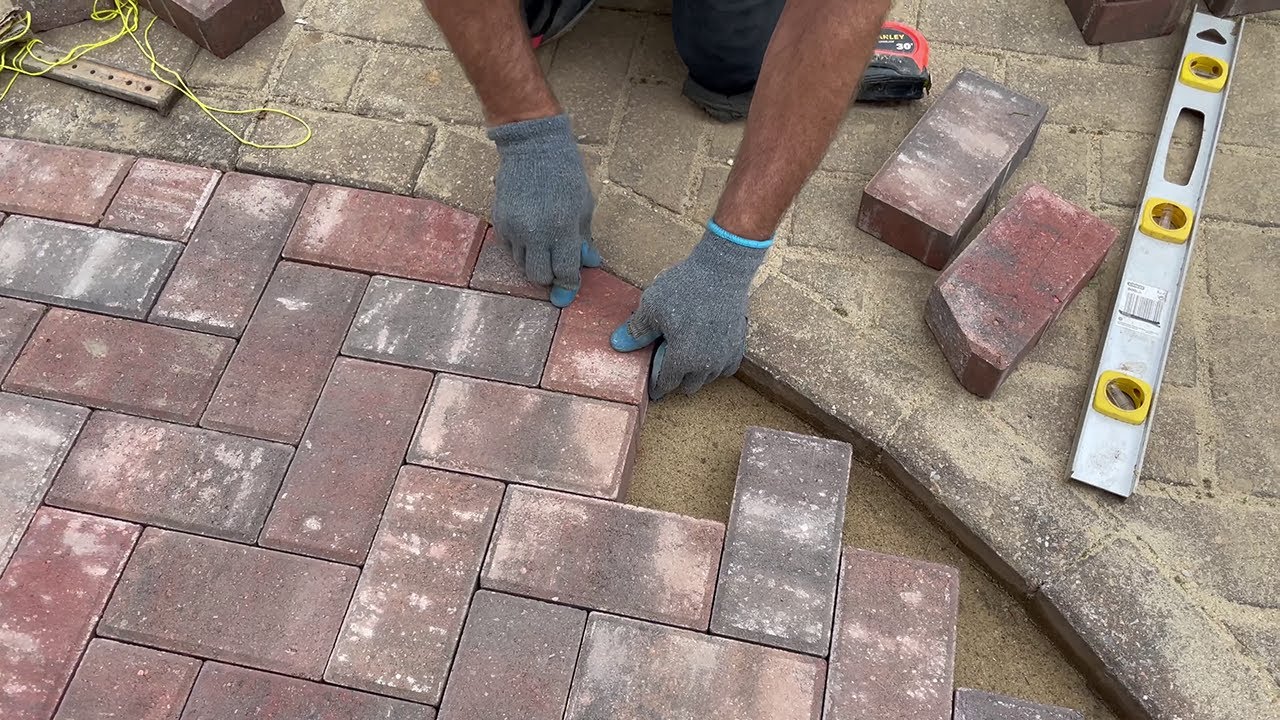
- Concrete Pavers: Suitable during warmer months when temperatures are stable. Clay Pavers: Porous nature allows them to absorb some moisture; nonetheless, they may crack during severe heat if not correctly sealed.
Best Seasons for Paving Installation
Knowing the very best seasons for your project can conserve money and time while making sure quality work.
Spring: A Transition Period
Spring (March to May) usually brings milder temperature levels and much less rainfall compared to winter. This period is typically taken into consideration perfect for paving setups.
Benefits of Spring Installations
- Moderate temperatures lower stress and anxiety on materials. Ground conditions are typically steady after wintertime rains.
Fall: An additional Positive Timeframe
Fall (September to November) mirrors spring's advantages with cooler weather condition and lower rains risks.
Why Autumn Installations Are Great
- It prevents summertime heat that may warp or damages materials. Less competitors amongst house owners implies quicker scheduling with paver installers.
Challenges Special to Winter Installations
While it's feasible to mount pavers throughout winter, https://www.facebook.com/ExcellenceLandscape/ there are intrinsic obstacles that included it, needing cautious preparation and execution.
Risk of Rain Delays
Rainy days can considerably delay projects-- paver installers might require additional time because of improper working conditions triggered by saturated ground.
Temperature Effects on Materials
Cold temperatures can hinder proper curing rates of concrete or asphalt mixes. Protective procedures should be taken when mounting during colder months.
Factors Influencing Paving Installment Costs
Understanding just how various seasons influence costs can assist budgeting efficiently for your project.
Labor Availability Trends Throughout the Year
Paver installers might charge much more during peak periods (springtime and loss) because of greater demand. On the other hand, offseason setups could yield price cuts as service providers seek job during slower periods.
Long-Term Considerations in Leading Maintenance
Once your interlocking pavers are set up, preserving them according to seasonal variations is key.
Sealing Strategies via Various Seasons
Applying sealants at appropriate times makes sure security versus rainfall or UV damage:
- Spring: Perfect for sealing after wintertime wear. Late Summer season: Best time before fall rains begin.
Environmental Aspects Influencing Leading Choices
The Bay Area's atmosphere influences not just appearances however functional efficiency too when it involves paved surfaces.
Soil Composition Awareness
Clay-heavy soils keep moisture longer than sandy soils which drain much faster-- this impacts drainage services essential throughout installment.
Common Inquiries About Seasonal Factors To Consider in Paving Installation
What's the most effective period for interlacing paver installation?- Spring and fall are suitable as a result of moderate temperatures and decreased rains risks.
- Yes, but be cautious regarding wetness levels and freezing temperature levels affecting material setting.
- Excessive rain can wash out sand utilized in between pavers or affect their alignment if not correctly covered.
- Ensure that you hydrate any type of clay products ahead of time since extreme warmth could lead them towards splitting without previous hydration.
- Yes! Maintenance timetables need to align with seasonal modifications; sealing must occur post-winter wear however pre-autumn rains.
- Lighter-colored pavers show sunlight far better than darker ones which absorb warmth-- consider this when picking colors!
Conclusion
Navigating through seasonal considerations is crucial when intending a paving setup task in the Bay Area climate. By understanding how climate influences every little thing from product choice to labor accessibility-- and thinking about long-term upkeep-- you'll be well-equipped to make enlightened options that improve both function and looks in your outside spaces.
Whether you're tackling a do it yourself project or employing an expert paver installer, keep in mind that timing is everything! Planning around those essential seasonal modifications will guarantee your interlocking pavers stand solid versus whatever Mother Nature throws at them while making best use of both beauty and toughness over time!